
Walk down almost any street in Northeast Ohio in June and you’ll see the same pattern repeat. Driveways are lined with bright annuals from the garden center, and most yards rely on the familiar mix of hostas, daylilies, and neatly clipped shrubs. It’s a tidy look, but it doesn’t really make room for the summer-blooming natives that support wildlife and give the garden more character.
If you want to add something different to your yard, plants that add personality and can handle midsummer heat without constant attention, native summer perennials are a natural next step.
When people start looking into these local species, a common hesitation shows up. Because they’re not always part of the standard suburban plant palette — and because a few of them literally have “weed” in the name — it’s easy to worry they’ll make the yard look wild or out of control next to a manicured lawn.
You don’t have to turn your whole property into a meadow to support the local ecosystem. With a few simple design choices, you can tuck durable, summer-blooming natives into a clean, structured layout so they look intentional, not accidental.
Incorporating Summer Natives into Your Garden
Plants like common milkweed and butterfly weed come with a reputation that doesn’t really fit how we use them now. For years they were lumped in as “weeds” because homeowners saw them as something to control or remove rather than something they chose to plant. In an intentionally curated garden, they behave like tough, deep-rooted perennials that bring dependable color right through the middle of summer.
Keeping them looking clean and intentional has a lot to do with where and how you plant them.
When you establish a native planting with clear boundaries, grouped colors, and defined edges, the human eye reads it as a planned landscape, not an accidental patch of overgrowth. By choosing a specific mix of native species that naturally step into the spotlight as the season warms up, you can build a bed that is visually striking while doing real ecological work.
What’s Happening in the June Garden
To understand how these hard-to-find natives can fit beautifully into a structured yard, it helps to look at what they are actually doing in the landscape right now:
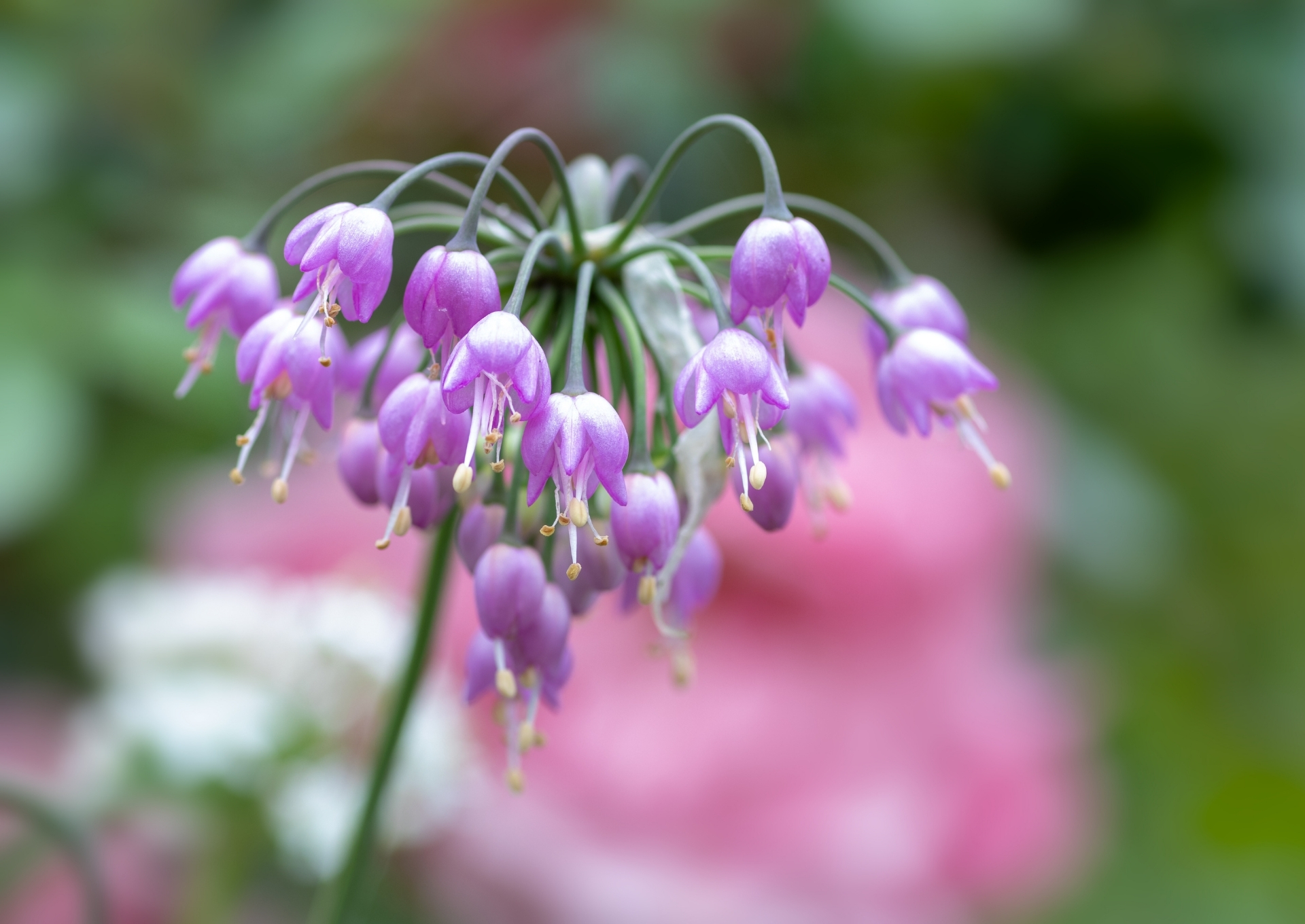
Nodding Onion (Allium cernuum)
For gardeners who prefer clean lines and geometric shapes, nodding onion is an ideal summer native. Throughout June, its grass-like foliage stays neat and compact, topped by architectural, bell-shaped pinkish flower clusters that nod toward the dirt. It looks completely at home in a formal border.
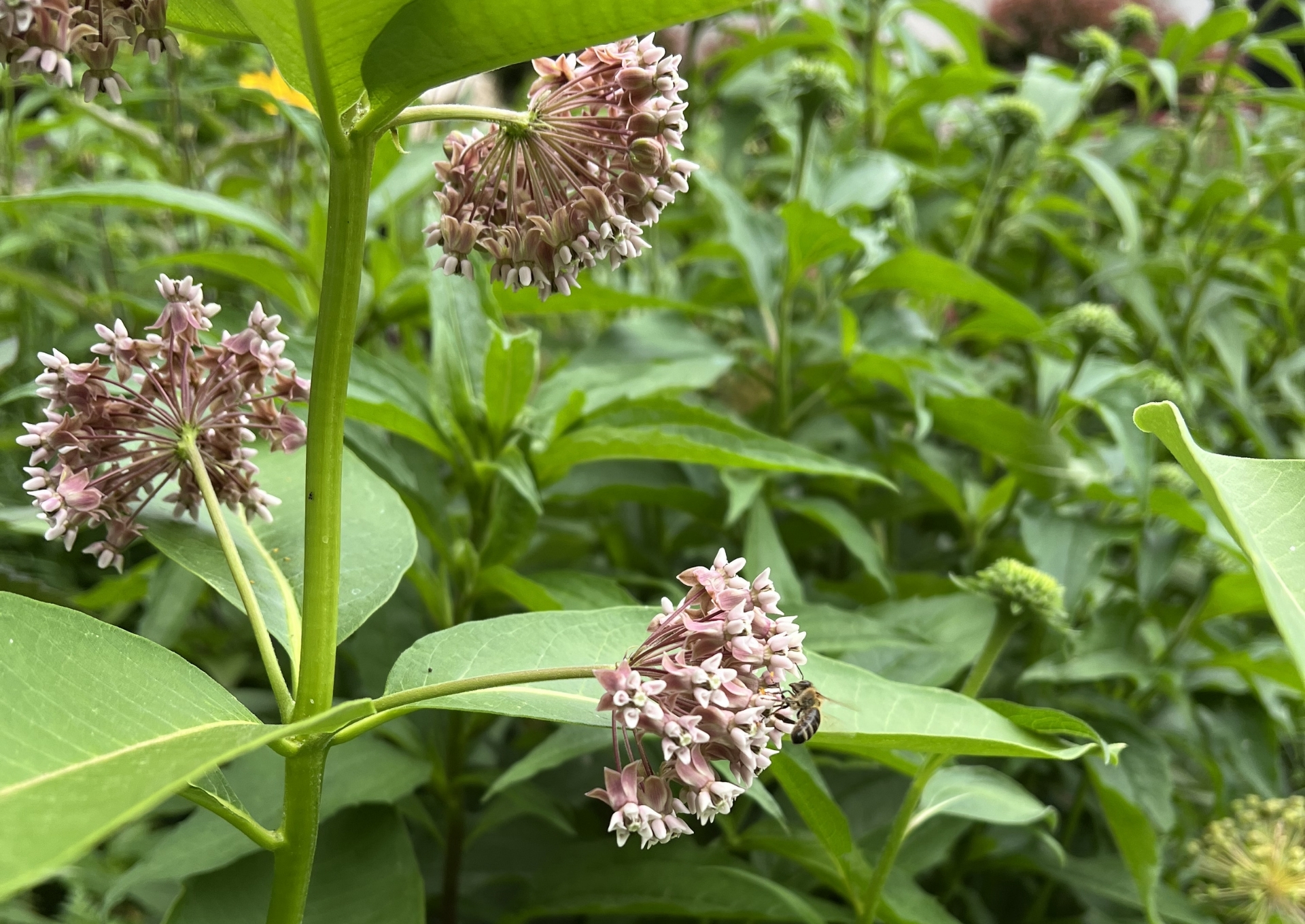
Common Milkweed (Asclepias syriaca)
Common milkweed is a structural giant that grows rapidly in June, preparing to open its large, round clusters of intensely fragrant pink flowers. Because it spreads via underground rhizomes, it’s best utilized as a backdrop or given a specific corner where it has room to establish a colony.
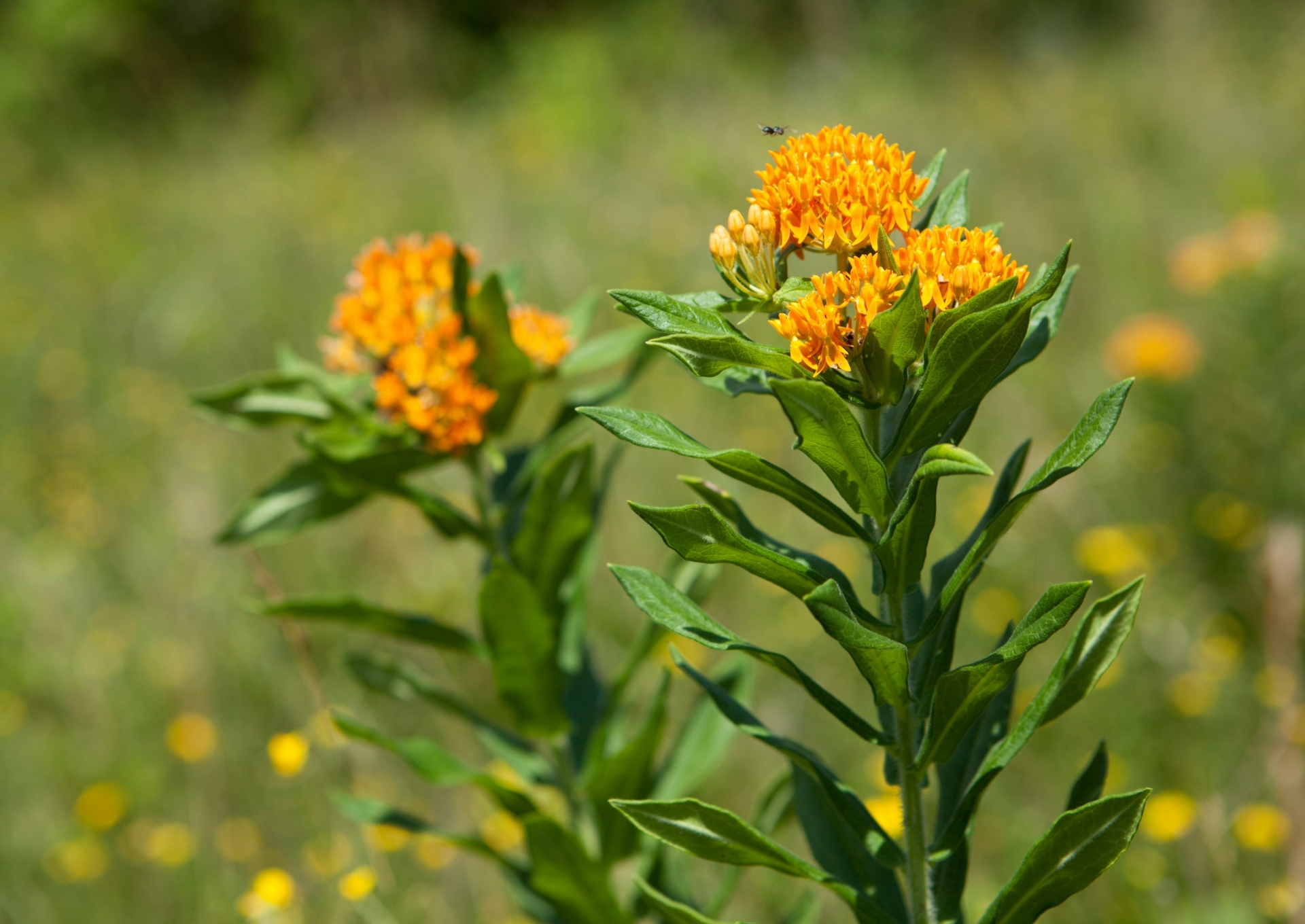
Butterfly Weed (Asclepias tuberosa)
A close cousin to Common Milkweed, Butterfly Weed behaves in an entirely different way. It spends June staying relatively low to the ground and building up its strength, acting as a well-behaved, clump-forming border plant that will launch into an intense, electric-orange display later in the summer.
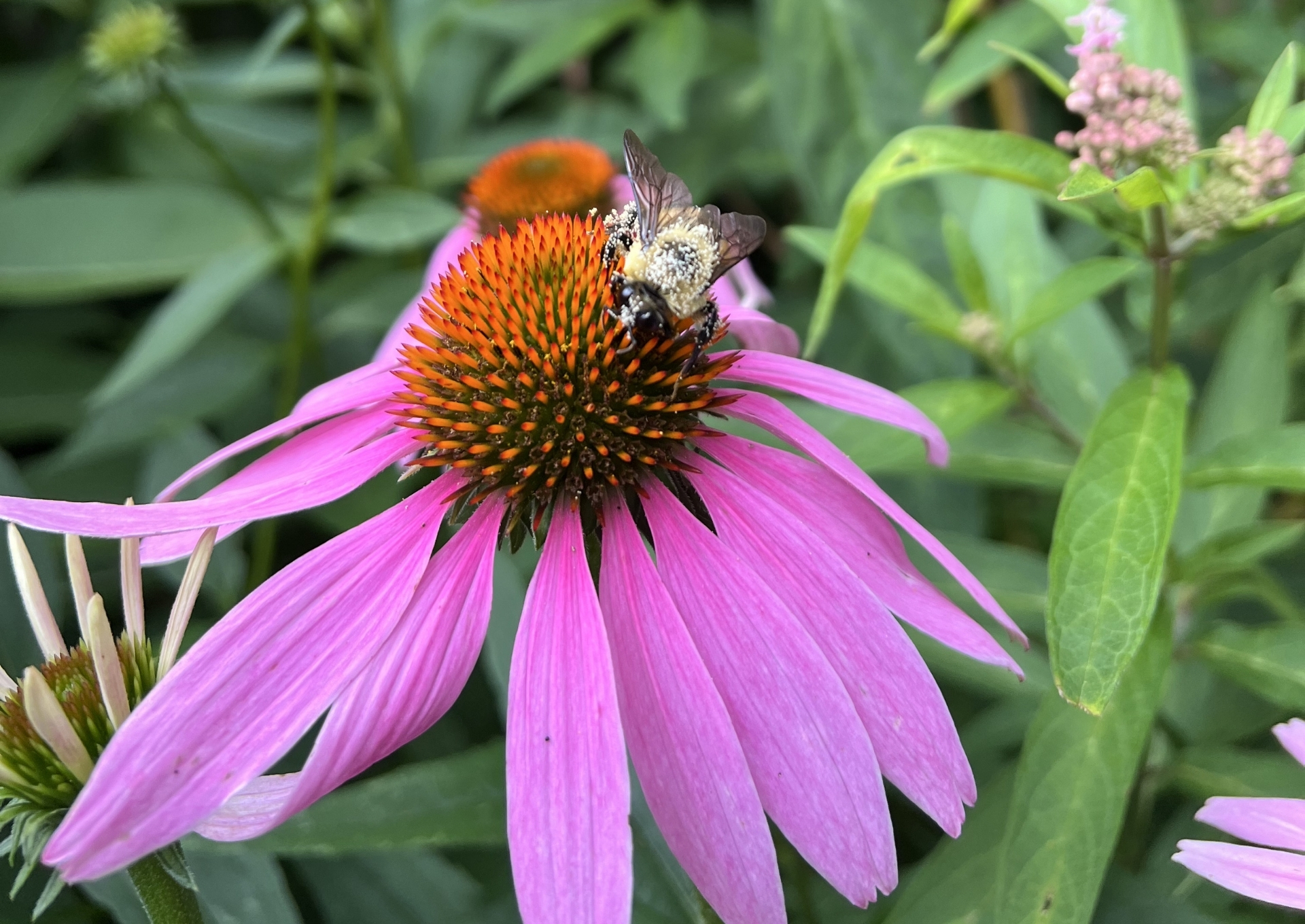
Purple Coneflower (Echinacea purpurea)
Purple Coneflower is reliable bridge between seasons. Its sturdy, upright stems stand tall and neat all through the month, slowly developing the buds that will open into iconic, long-lasting pink-purple petals as June winds down.
Simple Guidelines for a Structured Look Using Native Plants
Weaving these summer perennials into a traditional yard without losing a sense of order relies on three basic design principles.
First, always layer by height. Taller, more assertive species like Common Milkweed should anchor the very back of a garden bed or be kept to a dedicated native corner. Mid-sized and compact growers, like Purple Coneflower, Butterfly Weed, and Nodding Onion, should handle the middle and front layers. This clear vertical hierarchy ensures that every plant gets its sunlight and nothing gets accidentally swallowed by a taller neighbor.
Second, avoid the temptation to scatter single plants randomly across a space. Instead, group the same species together in odd numbers—like threes or fives—and plant them in a staggered, zig-zag pattern. As these groupings mature over the summer, they will knit together into distinct, impactful drifts of color rather than a chaotic mix of different green textures.
Finally, give the entire bed a crisp frame. Maintain a sharp, clean edge between your garden soil and your lawn, and keep the bare ground covered with a simple two-inch layer of natural wood mulch. That clean line and dark mulch provide an immediate visual cue that the garden is highly maintained, intentional, and cared for.
Common Questions About Summer Natives
Will Common Milkweed spread too much for a small garden bed?
Common Milkweed spreads through underground rhizomes and can easily crowd out more delicate plants in a tight, highly manicured border. It’s a phenomenal plant for monarchs, but it’s best suited for the back row of a wide bed, a larger naturalized property line, or a dedicated wild patch. I grow Milkweed in one of my garden beds, but I do pull some stalks out in the early spring in order to keep it contained. If your space is limited, choose Butterfly Weed instead. It stays in a neat, well-behaved clump, has a deep taproot, and won't wander into neighboring plants.
How do I keep a native summer garden looking neat and intentional instead of messy?
The simplest method is through clear definition and massing. Rather than planting one of everything, group three to five of the same plant together to create clean blocks of color and texture. Pair this with a sharp edge along the garden bed and a tidy layer of wood mulch. The contrast between a manicured lawn and a thriving native bed makes the garden look like a deliberate design choice.
Are these summer-blooming natives safe from deer?
Yes, many of our native summer perennials have evolved natural defenses that make them highly unappealing to local deer and rabbits. Members of the milkweed family contain a bitter, sticky white sap that animals avoid. Nodding Onion belongs to the allium family, and its natural onion scent acts as a highly effective, built-in deterrent.
Can I safely plant these species during the warmer June weather?
You can absolutely plant in June, you just need to adjust your watering routine. Because June days are warmer and drier than the erratic weeks of early spring, your new plants will need a thorough, deep soaking immediately after going into the ground. Keep a close eye on the soil moisture for the first two to three weeks until their roots begin to establish themselves in your local clay.