
By late May in Northeast Ohio, gardening moves into a different rhythm. The threat of frost is finally behind us, the evenings run a little longer, and the soil is warm and easier to work with. It’s the time of year when you want to spend every spare hour outside, getting your hands in the dirt and new plants in the ground.
But when you’re looking at a freshly prepped garden bed with a handful of new plants to get in the ground, a common dilemma pops up.
Young perennials look small and the natural temptation is to tuck them right next to each other so you get instant coverage and hide every bit of bare soil. But a good garden asks you to think a little ahead. You’re spacing plants not for what they look like today, but for the height and spread they’ll reach once they’ve matured.
The Baseline Grid (With Wiggle Room)
If you’re looking for a reliable place to start, a simple rule of thumb is one plant per square foot. If you have a ten-foot by three-foot garden bed, aiming for roughly thirty plants gives you a basic grid to work from.
But plants don’t all behave the same way.
While one plant per square foot is a dependable starting point, you have to look at the unique habits of each species. Some native perennials stay compact and keep a tight footprint. Others will wander and claim a two-foot spread by their second summer.
When you’re mapping out your bed, give the wider-spreading plants a bit more room so they can reach their full size, and tuck the more slender, upright growers a bit closer together. You’re designing a planting where each species has the space it needs to show its natural form.
Planting in Odd Numbers
Nature isn’t big on perfect symmetry. Straight rows and perfectly matched pairs belong in a corporate planting bed, not a backyard you actually want to spend time in. If you want your garden to feel like it fits into the local landscape, odd numbers help.
Aim to group most species in threes, fives, or sevens.
Even pairs encourage your eye to balance them, which creates a more rigid, formal look. Odd numbers break up that symmetry and let your eye move more naturally across the bed.
To take it a step further, avoid planting them in a straight line. Stagger your groups in a loose zig-zag or triangular pattern instead. As the plants grow and reach their mature spread, they’ll weave into one another, creating a softer drift of color instead of a stiff wall of green.
Embracing the First Season
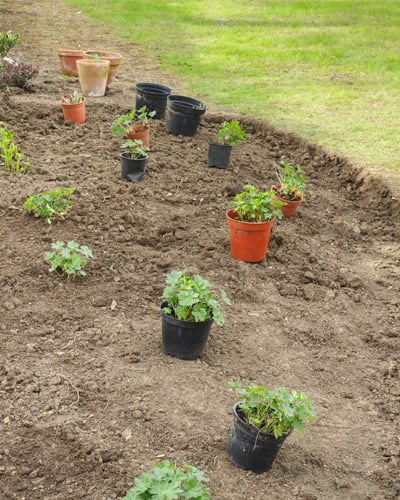
Giving your plants the space they need means you’re going to have some empty gaps during the first season. That’s normal, and it’s a phase every good garden goes through.
Instead of rushing to fill those gaps with more plants, let a two-inch layer of natural wood mulch do the work this summer. It will keep the bare soil covered, suppress the June weeds that are waiting to pop up, and help hold moisture in the soil.
Under that mulch, your young perennials will use that extra space to build deep, resilient root systems that can handle Ohio weather. By next spring, many of those gaps will start to close in, and you’ll see a fuller, more settled planting that looks like it’s meant to be there.
Designing for Height and Spread
Proper spacing isn’t just about keeping the garden looking tidy; it’s about making sure plants don’t end up swallowing each other.
When plants are crammed in without regard for their mature size, taller, faster growers will quickly overshadow the shorter ones. A four-foot plant like Wild Blue Indigo needs space to branch out. If it’s planted right on top of a lower-growing native, it will block the light that smaller plant needs to hang on.
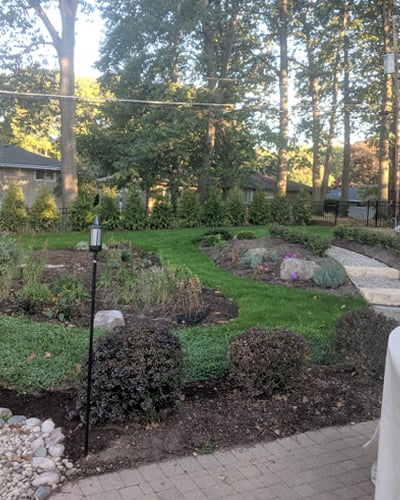
By respecting the listed height and spread for each plant, you create a clear vertical structure. You want shorter, ground-level layers at the front, mid-sized growers in the center, and taller plants anchoring the back. Good spacing lets each layer step into the spotlight when it’s in bloom, without competing with its neighbors.
Common Questions About Spacing Perennials
If you’re new to spacing perennials, it’s normal to have questions about gaps, first-year growth, and how long it actually takes for a bed to fill in. Here are some common questions I hear when people are laying out a new planting.
How far apart should I plant perennials if I want my garden beds to look full without overcrowding them later?
A simple place to start is to aim for about one plant per square foot. That gives you enough coverage that the bed doesn’t feel empty, but still leaves room for each plant to reach its mature size over the next couple of seasons. From there, you can adjust based on what you’re planting: tighter spacing for upright, clump-forming species, and a little more room for plants that like to spread.
Why does my new perennial garden look so empty in the first year, and should I fill in all the gaps right away?
A first-year perennial bed almost always looks a bit thin. You’re seeing young plants, before they’ve had a chance to build root systems and grow into the space you’ve given them. The empty patches are the necessary “breathing room” those plants will need in year two, three and beyond. Instead of cramming more in and creating future overcrowding, it’s better to embrace that first-year gaps are part of the process.
Is there a simple rule of thumb for how to space perennials in a small backyard bed?
Yes. Start with that one-plant-per-square-foot guideline, then adjust as you learn your plants’ habits. Compact or more vertical growers can be set a bit closer, while wider, spreading plants need extra elbow room. It doesn’t have to be perfect on paper; what matters is that you’re thinking about the size each plant will reach, not just how it looks the day you put it in the ground.
What happens if I plant my perennials too close together in the first year just to cover bare soil?
They might look great for one season, but you’re setting yourself up for problems later. As those plants grow, the strongest and tallest will start to crowd out the smaller ones, competing for light, water, and space. You can end up losing plants you paid for simply because they never had room to establish. It’s almost always cheaper and easier to live with some bare spots in year one than to fix an overplanted bed in year three.
What should I do with the empty spaces between new perennials while I’m waiting for them to grow in?
A simple layer of mulch is usually the best answer. Two inches of natural wood mulch will cover the bare soil, keep weeds from taking over, and help the soil hold moisture while the plants get settled. It keeps the bed looking intentional instead of unfinished, and it gives your perennials the time and space they need to grow into those gaps on their own.
How long does it usually take for native perennials to fill in and make a garden look established?
Most native perennials follow a similar pattern: they spend their first year getting established, their second year putting on noticeable size, and their third year really starting to look full. By the second spring, a well-spaced bed usually looks much less patchy, and by the third, those early “empty” spots are often hard to find. If you’ve spaced things with their mature size in mind, the garden will look more like it’s always been there, instead of a collection of new plants.