
Spring in Ohio doesn’t arrive all at once, it takes its time. One day feels like winter, the next hints at something new. As the ground softens and the air shifts, a familiar, earthy smell returns. After months of gray skies, those first signs of life are a welcome sight. Most of us look for the usual cues like daffodils pushing through the snow. But they’re only the beginning of what an early-season garden can offer.
Daffodils and spring crocus are a bright spot in the late winter garden, but there’s a whole layer of native perennials that bring a different kind of beauty, and a lot more resilience. These are the plants that evolved in our woods and meadows. They aren’t just passing through our climate; they belong to it.
If your garden currently relies primarily on non-native bulbs for its spring show, incorporating native perennials is the best way to add variety and depth. It’s about building a landscape that feels more complete and looks like it has always belonged here.
The Resilience of the Early Native Blooming Flowers
In Northeast Ohio, spring is rarely a straight line. One day it’s 70 degrees and sunny, and the next, we’re looking at a heavy frost. This is exactly why native species are so valuable in the early season.
Plants that are forced into early blooms in a greenhouse often struggle once they’re exposed to a real Ohio March or April. They haven’t adjusted to the temperature swings or our heavy clay soil. Native perennials have. They’ve spent generations adapting to these conditions, so a cold snap or a stretch of rain doesn’t throw them off.
Adding early-blooming natives doesn’t just bring color into the garden, it adds stability. While everything else is still waking up, these plants show up reliably and help carry the garden through the unpredictable start of the season.
The Pre-Mulch Planting Window
There is also a very practical reason to focus on your garden right now: access.
Later in the summer, perennials like Purple Coneflower, Joe Pye Weed or Blazing Star will take over, turning the garden into a dense landscape. While that’s the goal, it makes it incredibly difficult to find a place to step or a clear patch of soil to plant anything new.
In the early spring, the garden is still open. I haven’t put my mulch down yet, which means I can see the exact layout of the beds. I can see where my gaps are and where a new addition would fit perfectly. It’s the easiest time of year to get into the soil and tuck new plants in before the larger species start claiming their territory. Plus, the frequent spring rains do most of the watering for you, allowing new plants to establish their roots comfortably before the heat of July arrives.
The Best Ohio Native Plants for Spring Color
If you’re looking to expand your garden’s early-season color palette, these six species are some of the most rewarding and reliable options for our region.
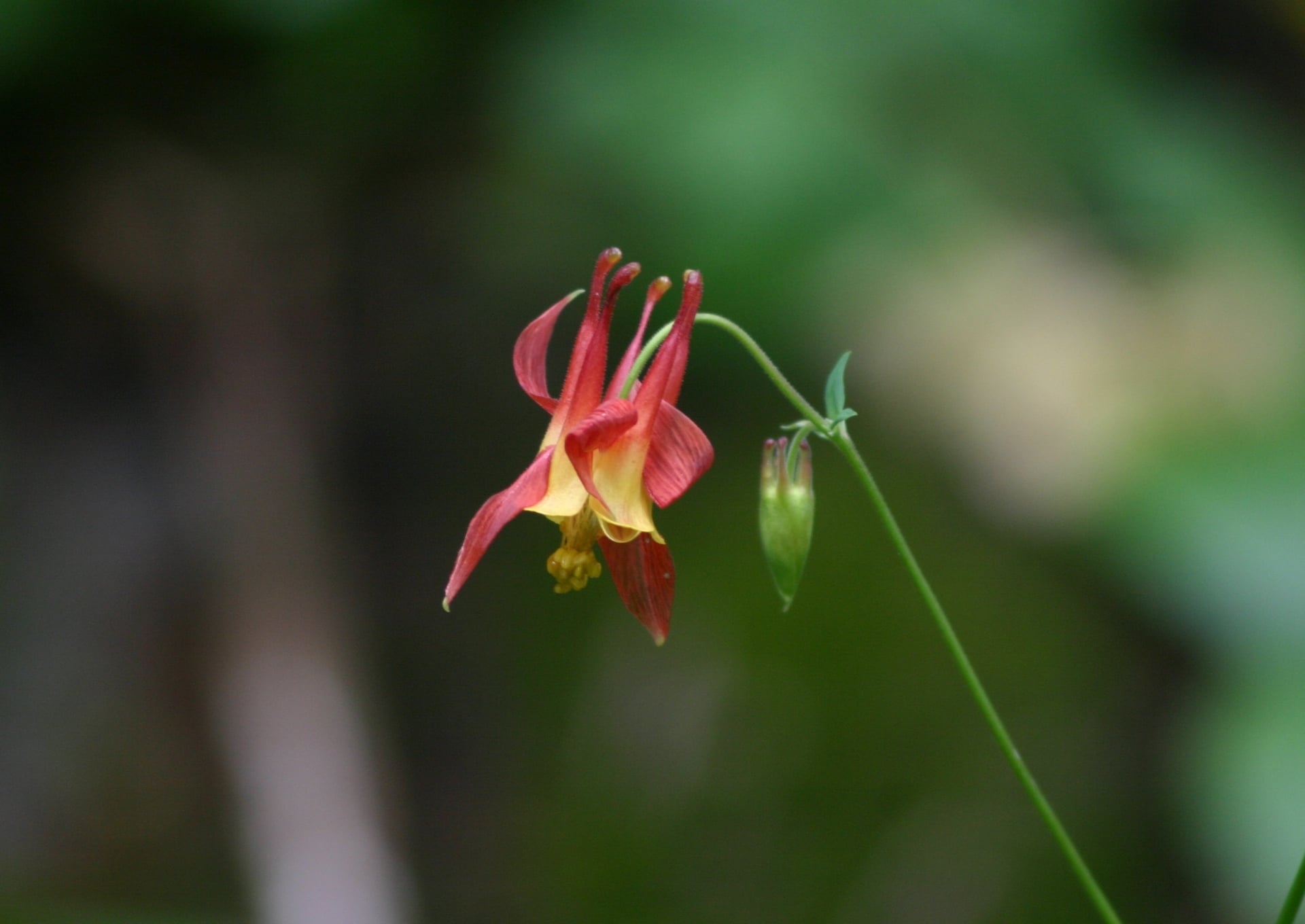
1. Wild Columbine (Aquilegia canadensis)
Wild Columbine is often the first true perennial to catch my eye in the spring. With its unique red and yellow bell-shaped flowers, it offers a delicate, airy look that contrasts beautifully with the more rigid shapes of spring bulbs. It’s a favorite for hummingbirds returning to the area, providing a vital source of early nectar. It’s perfectly happy in the dappled light found under a mature canopy of trees, but it’s sturdy enough to handle some sun as well.
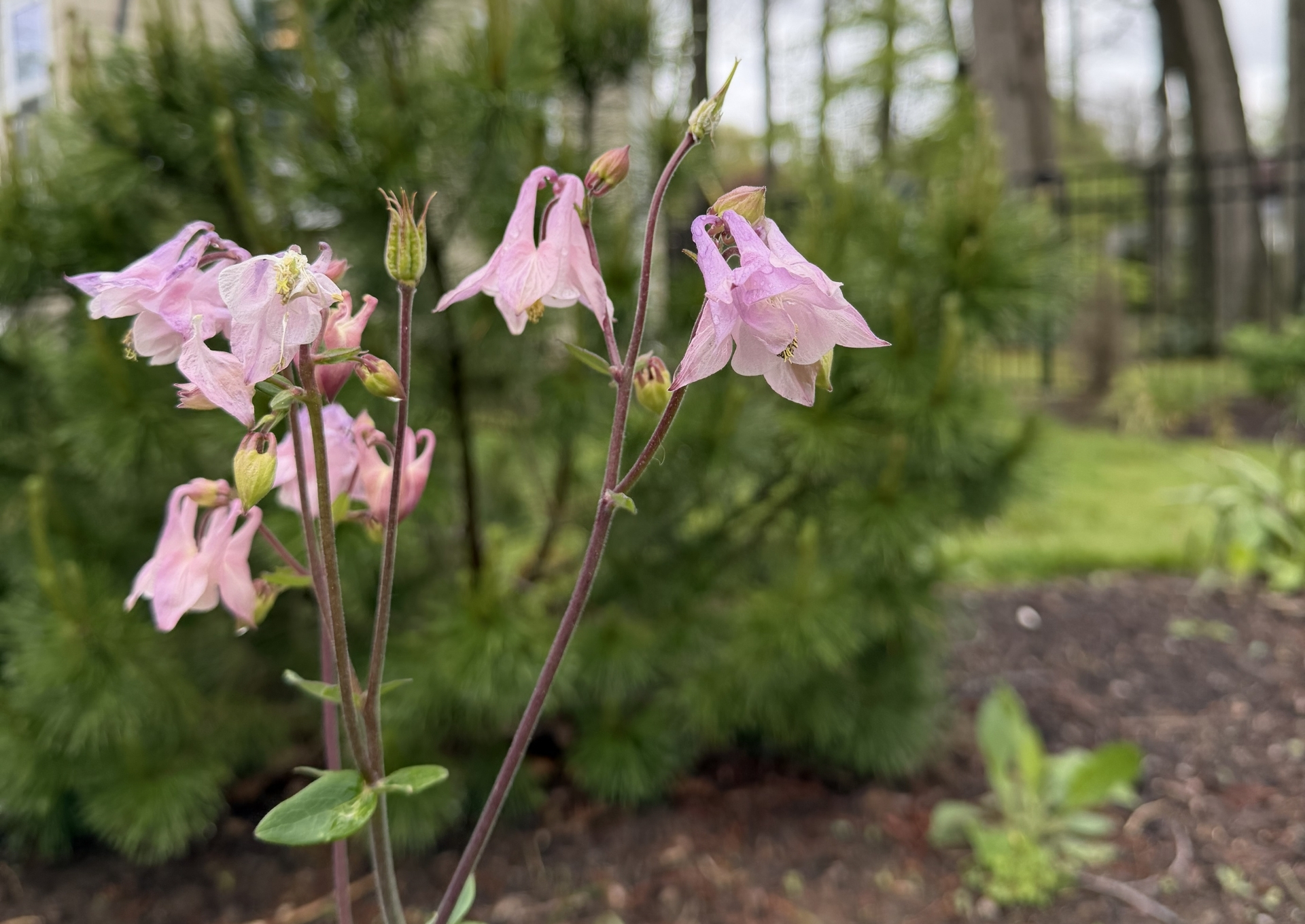
2. Hairy Beardtongue (Penstemon hirsutus)
Don't let the unusual name scare you! Hairy Beardtongue features beautiful, trumpet-shaped blooms ranging from pale violet to white, sitting atop fuzzy, deep-green stems. It is incredibly tough and adapts beautifully to dry, rocky, or clay soils where other plants struggle. Its tubular flowers are a magnet for native bumblebees and hummingbirds. Because it stays relatively low to the ground (usually 1 to 2 feet tall), it makes an excellent front-of-the-border plant for sunny or partially shaded garden beds.
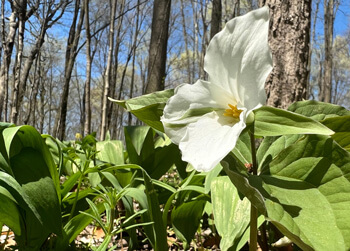
3. Trillium (Trillium grandiflorum)
The white Trillium is our state wildflower for a reason. It is a true spring ephemeral, appearing in that brief window when the ground has thawed but the trees haven't yet fully leafed out. Seeing a drift of Trillium in a shaded corner of the yard is a classic Ohio experience. While they can take a bit longer to settle in, they represent the quiet, historic soul of our local landscape.
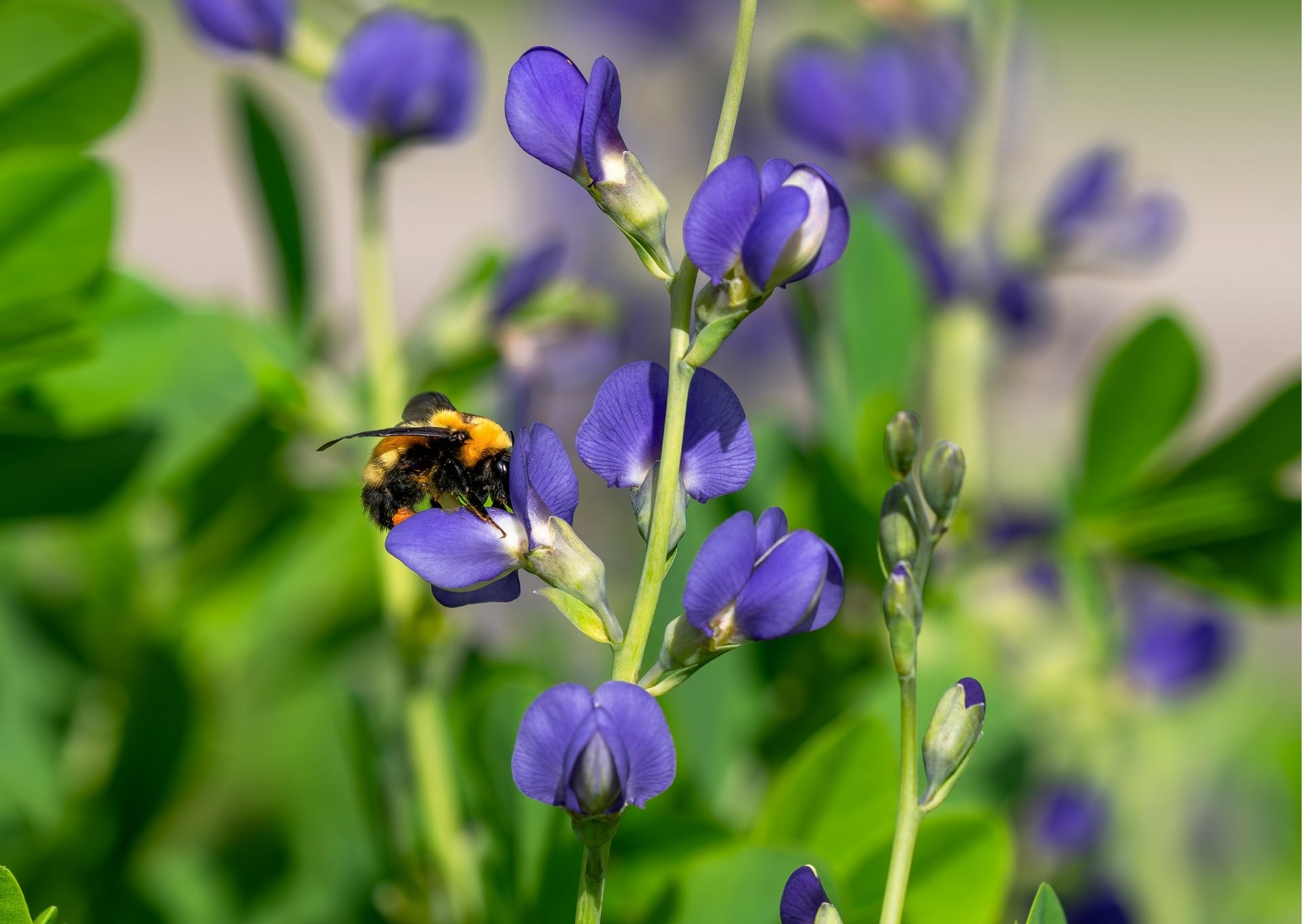
4. Wild Blue Indigo (Baptisia australis)
Wild Blue Indigo is a powerhouse of a plant. In the spring, it sends up thick shoots that quickly grow into a shrub-like form topped with striking spikes of deep blue flowers. It provides an architectural presence in the garden that few other perennials can match. Because it develops a deep taproot, it becomes incredibly drought-tolerant once established, making it a "set it and forget it" addition to any sunny spot.
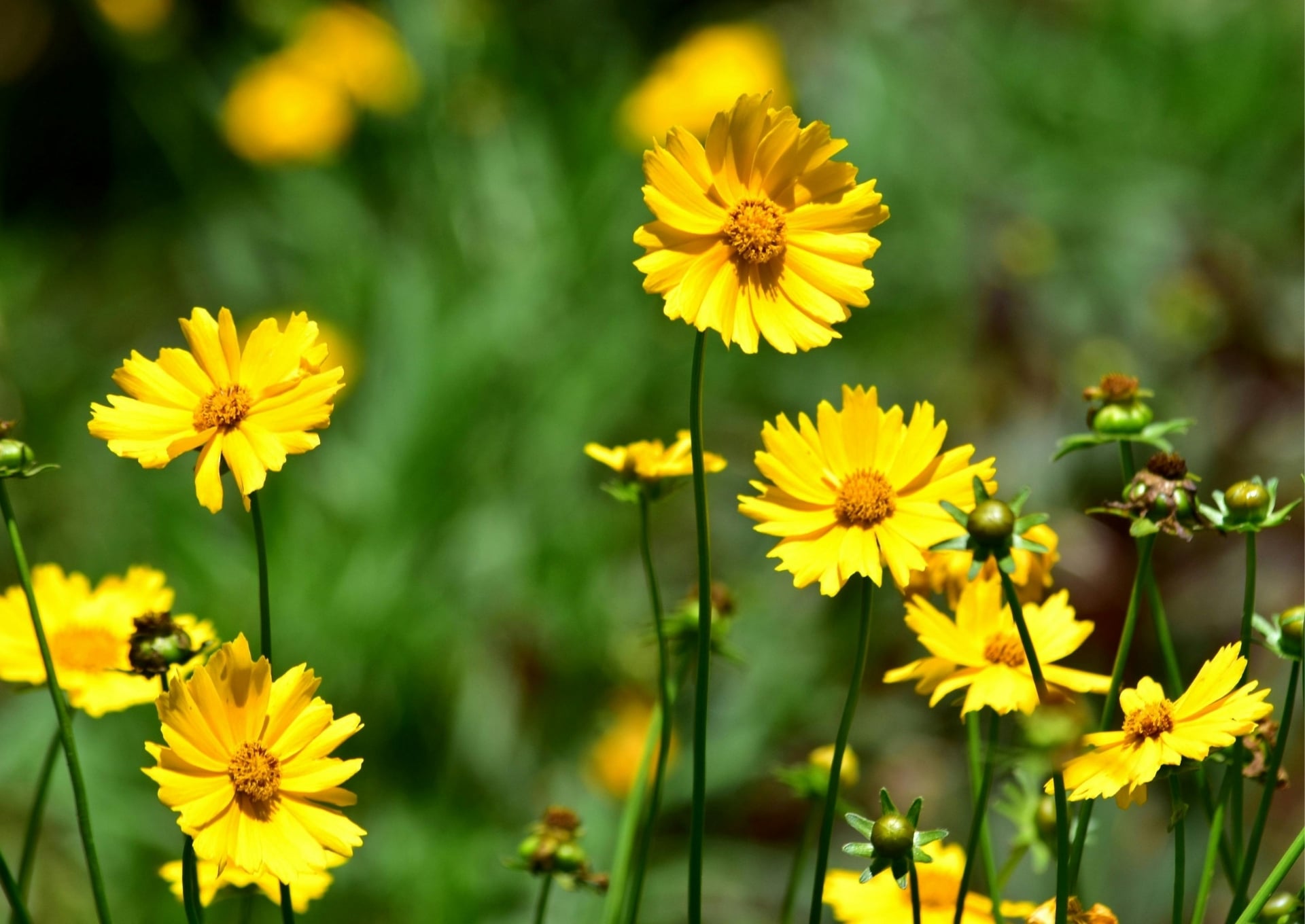
5. Lanceleaf Coreopsis (Coreopsis lanceolata)
For the sunnier parts of your yard, Lanceleaf Coreopsis is one of the earliest yellow bloomers you can find. It brings a bright, cheerful meadow feel to the garden as early as May. It’s an uncomplicated, easy-to-grow plant that attracts a wide variety of small bees and butterflies. Its long bloom time and vibrant color make it an excellent way to transition the garden from the soft tones of spring into the bolder colors of summer.
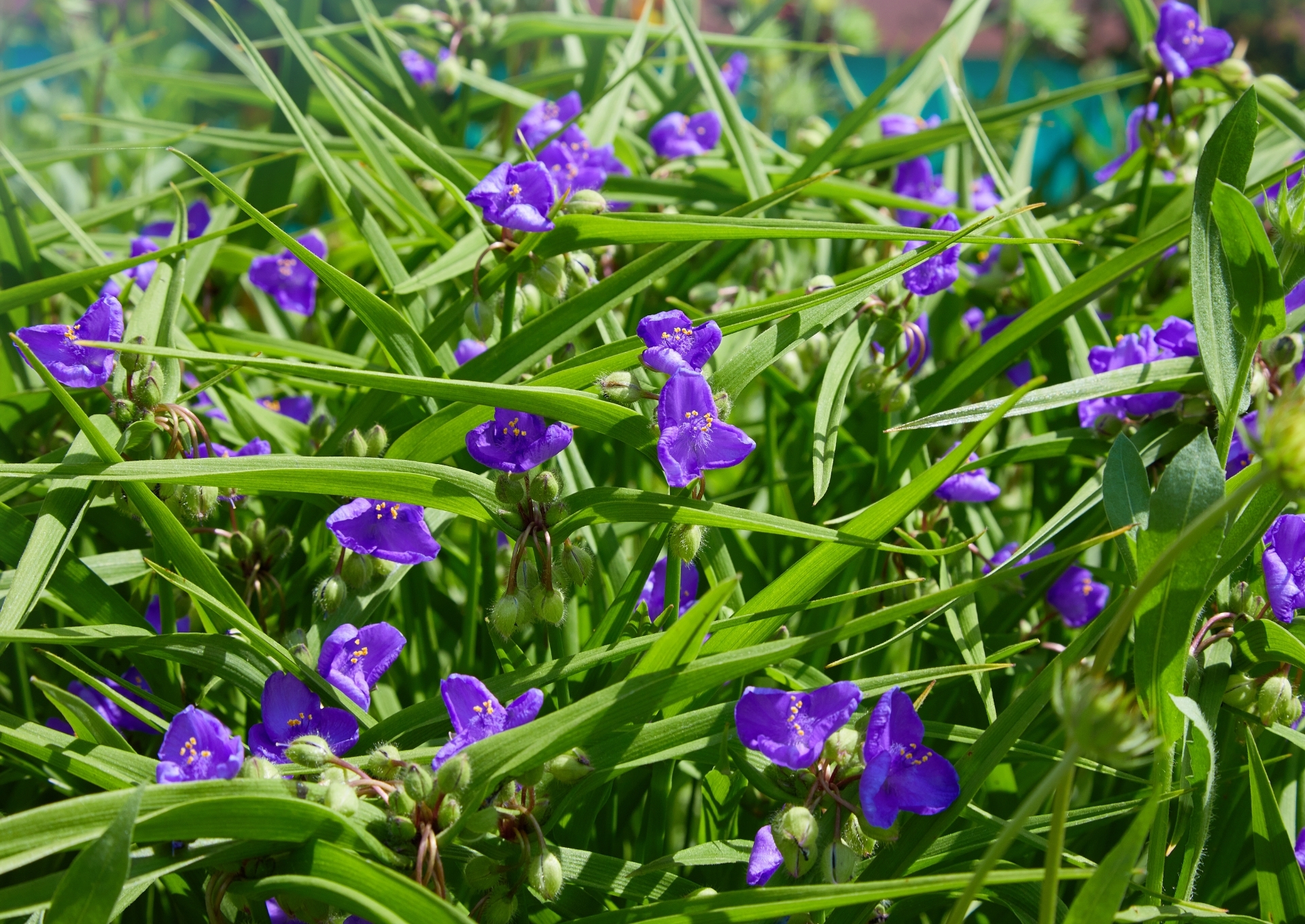
6. Ohio Spiderwort (Tradescantia ohioensis)
If you want a plant that bridges the gap between early spring and the heat of summer, Ohio Spiderwort is a must-have. It features distinct, grass-like foliage topped with striking, three-petaled blue to purple flowers. While it officially joins the party in late spring, it continues to put out new blooms all summer long. The individual flowers open in the morning and close by the afternoon, creating a constantly shifting visual display.
Building Your Backyard Escape
There’s a quiet kind of excitement that comes with spring gardening. Watching those first signs of life show up — seemingly out of nowhere — is one of the easiest ways to step away from the noise of everyday life.
What makes planting native perennials like Hairy Beardtongue and Ohio Spiderwort so rewarding is how little they ask in return. They’re already suited to our unpredictable weather and heavy clay soil, so once they’re established, they settle in and do their thing. Year after year, they come back steady and reliable, right when you need that first bit of life in the garden.
This spring, consider leaving a little room next to the daffodils for the species that truly call Ohio home. Your backyard, and the local pollinators, will thank you for it.
Frequently Asked Questions About Spring Blooming Natives
Q: Aside from spring bulbs, what else could I add to my garden?
While bulbs are a great start, adding native perennials like Wild Columbine or Wild Blue Indigo adds a new layer of interest. These plants offer varied textures and colors that bulbs can’t provide, and their foliage remains attractive long after the bulb flowers have faded and turned yellow.
Q: When can I start planting in the spring?
In Northeast Ohio, you can generally start planting as soon as the soil isn't a muddy mess. If the soil crumbles when you squeeze it, you’re ready. Many of our native perennials are quite frost-hardy, so you don't necessarily have to wait for the mid-May "last frost" date to get these specific species into the ground.
Q: Do these early spring natives support pollinators?
Yes, and they are critical for them. Early spring can be a difficult time for pollinators to find food. By planting species like Foxglove Beardtongue and Wild Columbine, you are providing high-quality nectar right when queen bumblebees and early butterflies are emerging and need it most.
Q: Do I need to add compost or amendments when planting natives?
Generally, no. One of the best things about native plants is that they evolved to grow in our local conditions, including the heavy clay we often find in Ohio. They don't require the extra nutrients or "perfect" soil that many non-native plants demand. They are built to thrive in the dirt you already have.
Q: Should I plant before or after I put down mulch?
I always recommend planting first. It’s much easier to see your soil and space your plants correctly before the mulch is in the way. Once your plants are in the ground, you can carefully mulch around them, which helps suppress weeds and retain moisture for your new additions.